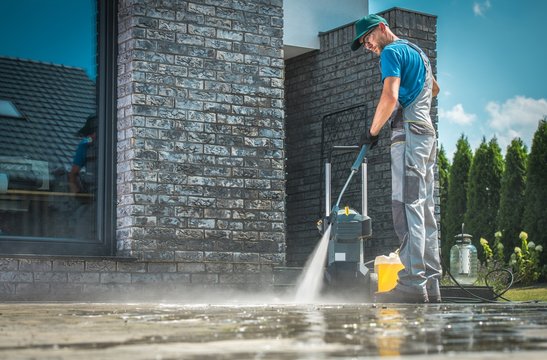
Most exterior cleaning work is seen as a surface problem. Dirt, debris, staining, or visible buildup becomes the starting point for most service decisions. In practice, those visible signs usually come after a longer pattern of water movement disruption, surface exposure cycles, and material breakdown that develops over time. J Gutter Cleaning and Power Washing operates with a different focus. The goal is not to treat what is visible on the surface first. The goal is to understand how exterior systems on a property are behaving, especially how water is moving through gutters, roof edges, siding, and ground-level surfaces. Cleaning becomes a result of that understanding, not the starting assumption., residential properties experience repeated seasonal shifts that affect drainage behavior, surface buildup, and exterior wear patterns. The work is structured around these real conditions rather than a fixed cleaning routine.
Exterior maintenance issues are often treated as isolated events. A clogged gutter is treated as a one-time blockage. A stained driveway is treated as a single cleaning requirement. Over time, repeated observation shows that these issues are usually connected to ongoing exposure cycles rather than individual incidents.
J Gutter Cleaning and Power Washing focuses on understanding those patterns before applying any cleaning method. Gutter systems are evaluated based on how water is moving through the structure, where restriction begins, and how overflow patterns develop along roof edges and downspouts. Pressure washing work is approached through surface condition analysis, where material type, buildup density, and long-term exposure effects influence how cleaning is applied.
The objective is not to increase cleaning intensity. The objective is to match the method to the condition of the surface system so that cleaning does not disrupt the underlying material behavior.
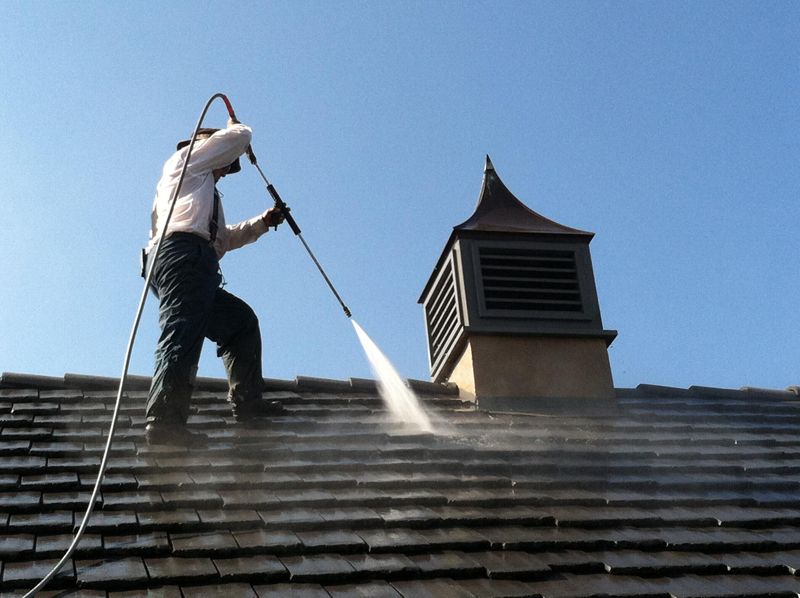
Gutter systems gradually fail before they show visible overflow. The early stage is usually a change in flow speed, partial restriction in downspouts, or uneven distribution of water across channels. By the time debris becomes visible from the ground, the system has already adjusted its flow behavior around that restriction.
Gutter cleaning in this context is not only debris removal. It is the restoration of flow consistency across the entire drainage path. That includes understanding where accumulation starts, how water is redirecting under pressure, and how long-term blockage affects fascia and roof edge stability. In seasonal buildup and storm-related debris patterns create repeated stress on gutter systems. Cleaning is scheduled around these patterns rather than treated as a one-time corrective task.
Surface buildup is not only a result of dirt exposure. It is a combination of moisture retention, environmental contact, and surface porosity behavior over time. Different materials respond differently under the same exposure conditions. Pressure washing work is structured around surface behavior rather than visual appearance alone.
Concrete, siding, brick, and outdoor walkways all respond differently to pressure, dwell time, and water distribution patterns. In many cases, staining is not only on the surface layer; it is embedded into the material structure based on exposure duration. Cleaning in these situations requires controlled application rather than uniform pressure across all surfaces. The goal is to restore surface consistency without altering the material integrity underneath.
Exterior cleaning results depend more on method selection than on effort or intensity. Two properties with similar visible conditions can require completely different approaches based on how water has been moving through the system, how long buildup has developed, and how the surface material has responded over time. The approach used here focuses on evaluating conditions before applying any cleaning process. Gutter systems are not treated the same across every home because drainage behavior is not identical across properties. Pressure washing is not applied at a fixed level because surface materials do not share the same tolerance or absorption patterns.
Our team is made up of trained and experienced professionals who focus on delivering clean, consistent results on every job. We work carefully to make sure your property is handled with attention and care.
Every property is different, so we adjust our approach based on your needs. From small residential jobs to larger areas, we make sure the service fits your space properly.
We show up on time, do the job right, and leave your property clean. You can count on us for dependable service and honest work every time.
We take pride in our work and aim to deliver results that last. Our process is designed to keep your property clean, safe, and well-maintained.

Every service begins by understanding how the property is currently responding to water exposure and surface buildup. Gutter systems are reviewed for flow disruption points and overflow indicators. Exterior surfaces are assessed for buildup type, material response, and exposure history.
Once the condition pattern is clear, cleaning methods are applied in a controlled sequence based on surface sensitivity and system behavior. Adjustments are made during the process if flow response or surface reaction indicates a different level of intervention is needed.
The final stage focuses on verifying that drainage and surface behavior have returned to a stable condition rather than only removing visible debris or stains.

based on 492 reviews
Not sure what your project will cost? Tell us your surface type and we’ll give you a fast, no-obligation pressure washing estimate, usually within hours. No pushy calls, no surprise fees.
With industry-leading quality controls, our customers rate their teams after having their home cleaned so you can be sure you’re receiving a cutting-edge, superior service, every single time.
Repeated clogging is usually linked to how water flow is being disrupted at specific points in the system. Debris accumulation often follows the same entry and restriction zones rather than spreading evenly across the gutter line.
Not all surfaces respond the same way to pressure application. Material type, exposure history, and surface porosity affect how cleaning should be applied. Incorrect pressure levels can alter surface integrity.
Frequency depends on surrounding tree coverage, seasonal debris levels, and how quickly water flow begins to slow inside the system rather than a fixed schedule.
Staining often reappears when underlying moisture retention or embedded material buildup has not been fully addressed. Surface appearance alone does not always represent full removal depth.
Cleaning removes physical material. Flow restoration focuses on ensuring water moves consistently through the entire drainage path without restriction or redirection.